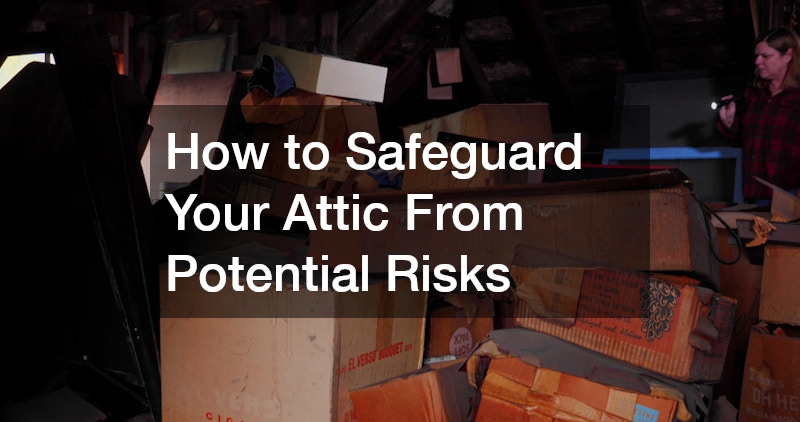
How to Safeguard Your Attic From Potential Risks
Your attic plays a far more important role in your home than simply storing seasonal decorations or forgotten boxes. It is a critical barrier between your living space and the elements, helping regulate temperature, protect structural components, and prevent moisture intrusion. When neglected, however, an attic can become a source of costly damage, safety hazards, and reduced energy efficiency.
Safeguarding your attic requires a proactive approach that addresses roofing integrity, ventilation, moisture control, fire safety, and secure access. Small issues such as unnoticed leaks or poor insulation can quietly escalate into major problems affecting the entire home. By understanding the most common risks and how to prevent them, homeowners can extend the life of their property and maintain a healthier indoor environment.
Here are just a few important aspects of attic protection. You want to focus on everything from proper roof care, waterproofing, and pest control. We aim to explain the specific risks and what you can do to carefully plan for professional support and regular maintenance. A little care can help keep your attic space safe from the biggest hazards, whether you’re a new homeowner or maintaining an older property.
Ensure Professional Oversight of Roof Integrity
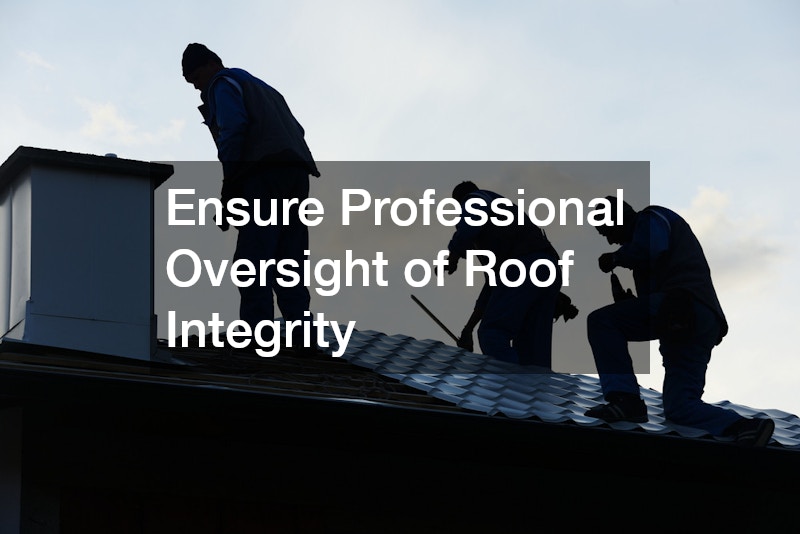
One of the most effective ways to protect your attic is by ensuring the roof above it is properly maintained. Shingles, flashing, and underlayment all work together to form a weather resistant barrier that shields your home from rain, wind, heat, and snow. When even one of these components begins to fail, small gaps can form that allow moisture, outside air, and pests to enter the attic without immediate detection. Over time, these minor intrusions can lead to insulation saturation, wood rot, and rising energy bills.
Working with a qualified roofing contractor allows you to identify vulnerabilities early, before they escalate into expensive repairs. These professionals understand how roof issues translate into attic risks such as condensation buildup, mold growth, and insulation breakdown. They know where problems are most likely to develop and can inspect for subtle signs of wear, including cracked flashing, loose fasteners, curling shingles, or deteriorated seals around vents and chimneys. Addressing these issues promptly helps maintain a stable attic environment and prevents gradual structural decline.
Routine inspections are especially important after severe weather events. High winds, hail, and heavy snow can compromise roofing materials even if damage is not visible from the ground or from inside the attic. Temperature fluctuations can also cause materials to expand and contract, weakening seals over time. By scheduling regular assessments, homeowners can address minor repairs before they lead to significant attic damage. This proactive oversight reduces the risk of hidden leaks, preserves insulation performance, and protects not only the attic but also the overall structural health and longevity of the home.
Schedule Routine Roof Inspections and Maintenance
Even a well built roof requires ongoing care to perform effectively. Attic safety is closely tied to how often the roof is inspected and maintained. Missing shingles, clogged vents, and aging materials can all create conditions that allow moisture or pests to enter the attic.
Experienced roofers are trained to recognize early warning signs that homeowners often overlook. During an inspection, they check for uneven wear, soft spots, and improper ventilation that could cause heat and moisture buildup in the attic. These conditions can reduce insulation effectiveness and increase energy costs.
Regular maintenance also includes sealing penetrations and ensuring proper airflow. When warm, moist air becomes trapped, it can lead to condensation on rafters and decking. Over time, this weakens wood and encourages mold growth. Scheduling inspections at least once a year helps ensure your attic remains dry, stable, and protected from long term deterioration.
Rely on Regional Expertise for Climate Specific Risks
Climate plays a major role in attic performance, and ignoring regional conditions can leave your home vulnerable to recurring problems. Homes in humid regions often struggle with excess moisture and condensation, while properties in colder climates face issues such as heat loss and ice formation. In hot, sunny areas, prolonged heat exposure can degrade roofing materials and overheat attic spaces. Understanding these regional factors is essential for preventing attic related issues that may not appear in generic maintenance advice.
A local roofing company brings valuable insight into area specific risks such as ice dams, heavy rainfall, high winds, or intense sun exposure. Because these professionals work in the same climate year round, they are familiar with the most common roofing failures in your region and how those failures affect attic conditions. They understand how snow loads stress roof structures, how seasonal storms test flashing and seals, and how prolonged humidity impacts ventilation systems. Their recommendations are also tailored to local building codes, which are often designed to address climate driven challenges unique to the area.
By addressing climate related vulnerabilities, homeowners can make targeted improvements to attic ventilation, insulation, and moisture control rather than relying on one size fits all solutions. Proper airflow can reduce heat buildup in warm regions, while enhanced insulation can prevent ice dam formation in colder areas. Moisture barriers and ventilation upgrades can significantly reduce the risk of mold in humid climates. This localized approach reduces the likelihood of seasonal damage, improves energy efficiency, and helps maintain consistent indoor comfort. Choosing professionals who understand your environment ensures your attic protection strategy is practical, effective, and built to withstand the conditions your home faces year after year.
Address Unique Challenges of Low Slope Roof Designs

Homes with low slope or modern roof designs require special attention when it comes to attic safety. These structures often have limited drainage and airflow, increasing the risk of moisture accumulation.
Properties featuring flat roofing are particularly susceptible to pooling water and slow leaks that can seep into the attic over time. Because these leaks may not be immediately visible, they can cause significant damage before being detected. Proper membrane installation and routine inspections are essential.
Improving drainage systems and ensuring adequate insulation can help mitigate these risks. Homeowners should also monitor interior signs such as musty odors or ceiling discoloration. Addressing the unique challenges of low slope roofs helps preserve attic integrity and prevents hidden moisture problems from spreading.
Prepare for Moisture Intrusion and Emergency Response
Despite preventative efforts, unexpected leaks or severe storms can still impact your attic, especially during heavy rainfall, rapid snowmelt, or extreme weather events. Being prepared for quick action is crucial to minimizing damage when water finds its way into this space. Moisture that lingers in an attic can quickly lead to mold growth, wood rot, warped framing, and compromised insulation, all of which can weaken structural components and affect the health of your indoor environment.
Professional water damage restoration services play a vital role in addressing these emergencies efficiently and thoroughly. These specialists use advanced moisture detection tools, industrial grade drying equipment, and controlled dehumidification to stop damage at its source. They also assess the full extent of the problem, including hidden moisture behind insulation or within wooden supports, and remove materials that cannot be safely salvaged. By preventing secondary issues such as mold spread or lingering odors, their prompt intervention helps protect both the attic and the living spaces below it.
Homeowners should also understand the early warning signs of moisture intrusion so they can act before conditions worsen. Indicators such as damp or compressed insulation, discoloration on attic surfaces, musty odors, or visible staining on ceilings below the attic often point to an active or recent leak. Acting quickly when these signs appear can significantly reduce the scope of repairs and limit long term damage. Having a clear response plan in place, including knowing who to call and how to temporarily protect affected areas, ensures your attic can recover swiftly and safely from unexpected water exposure.
Improve Drainage Systems to Protect the Roofline
Effective drainage is a critical component of attic protection. When rainwater is not directed away from the roof properly, it can back up under shingles or seep into fascia and soffits, eventually reaching the attic.
Installing and maintaining seamless gutters helps ensure consistent water flow away from the home. Unlike sectional systems, these gutters reduce the risk of leaks and clogs that can cause overflow. Properly pitched gutters and clear downspouts prevent water from pooling near the roofline.
Routine cleaning is equally important. Leaves and debris can obstruct drainage, leading to ice dams in winter or water intrusion during heavy rain. A well maintained drainage system protects the attic by keeping moisture where it belongs, outside the home.
Use Quality Materials for Long Term Protection
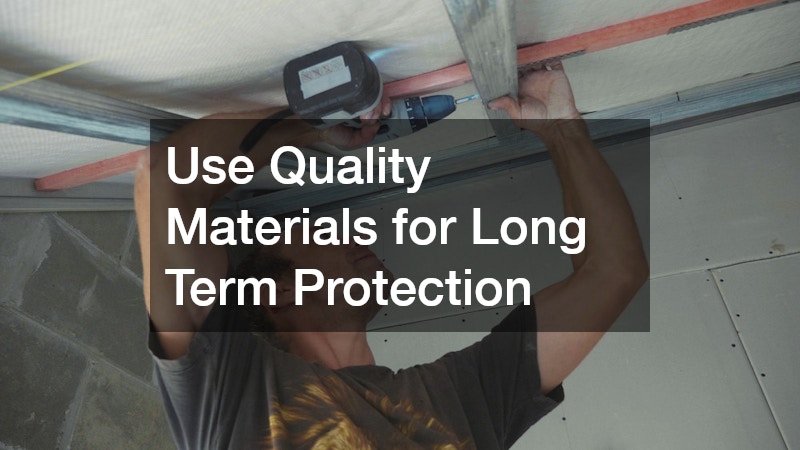
The materials used in your attic directly impact its safety and durability. Insulation, vapor barriers, and structural components must withstand temperature changes and moisture exposure over time.
Choosing high quality building supplies ensures your attic remains resilient. Proper insulation reduces heat transfer, preventing condensation and energy loss. Durable vapor barriers help control moisture movement and protect wood framing.
When upgrading or repairing an attic, it is important to select materials suited to your climate and home design. Cutting corners with inferior products can lead to premature failure and higher long term costs. Investing in quality materials creates a safer, more efficient attic environment.
Incorporate Fire Safety Measures in Attic Planning
Fire safety is often overlooked in attic spaces, yet attics can contribute to fire spread if not properly designed. Electrical wiring, stored items, and insulation all pose potential risks.
In multi level homes, fire escapes should be carefully planned to ensure safe exit routes in case of emergency. Attic conversions or storage areas must comply with safety codes, including proper clearance and fire resistant materials.
Installing smoke detectors near attic access points and ensuring wiring is up to code further reduces risk. By integrating fire safety considerations into attic planning, homeowners protect both their property and the people inside it.
Secure Access Points and Entryways
Attic access points are a common vulnerability in home security. Weak locks or poorly sealed entryways can allow unauthorized access or pest intrusion.
Professional locksmith services can help reinforce attic doors, hatches, and pull down ladders. Secure locking mechanisms prevent tampering and improve overall home safety. Proper sealing also helps maintain insulation effectiveness and prevent drafts.
Homeowners should periodically inspect access points for wear or damage. Ensuring these areas are secure and well maintained reduces both security risks and energy loss, contributing to a safer attic environment.
Maintain Structural Support Around the Foundation
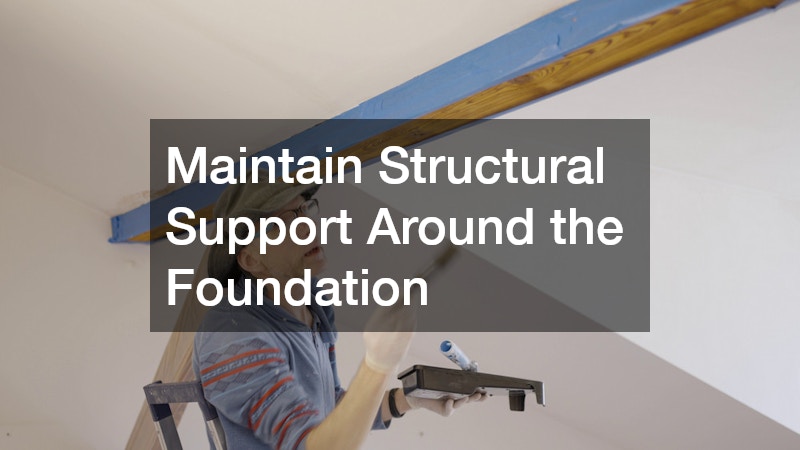
While attics are located at the top of the home, their stability is connected to the entire structure. Cracks or shifts in the foundation can affect framing alignment and roof performance, indirectly impacting the attic.
Working with experienced concrete companies helps address foundation issues that may compromise structural integrity. Repairs such as sealing cracks or reinforcing supports prevent stress from traveling upward through the home.
A stable foundation ensures walls and rooflines remain properly aligned, reducing the risk of gaps or leaks that reach the attic. Maintaining structural support from the ground up is an essential part of comprehensive attic protection.
Safeguarding your attic is an investment in the longevity, safety, and overall efficiency of your home. Because the attic serves as a protective buffer between your living space and the outside elements, any weakness in this area can have far reaching consequences. By addressing roofing integrity, moisture control, fire safety, security, and structural stability, homeowners can prevent many of the most common and costly issues before they have a chance to develop. Regular inspections, the use of quality materials, and guidance from experienced professionals all play an essential role in maintaining a healthy, well functioning attic.
A proactive approach to attic care not only reduces long term repair costs but also enhances everyday comfort and energy efficiency. Proper insulation and ventilation help regulate indoor temperatures, while effective moisture management protects air quality and prevents hidden damage. When potential risks are addressed early, homeowners avoid the stress and disruption that often come with emergency repairs or major renovations.
When your attic is properly protected, the benefits extend throughout the entire home. Structural components last longer, energy bills remain more predictable, and indoor spaces feel more comfortable year round. Taking the time to implement these strategies creates a stronger, safer home and provides lasting peace of mind. With consistent attention and preventative care, your attic can remain a reliable, protective asset that supports your home for many years to come.