Experiencing Drain Issues? Heres What to Do
Drain issues are one of the most common—and frustrating—problems homeowners face. Imagine preparing a meal, only to find your kitchen sink isn’t draining properly, or taking a shower and noticing the water pooling at your feet. These bothersome scenarios, such as a slow-draining sink, a backed-up shower, or a foul odor emanating from your pipes, can swiftly disrupt your daily routine. What begins as a minor inconvenience, easily bestowing annoyance and a touch of chaos, can escalate into a serious plumbing problem if left unaddressed, potentially leading to costly repairs and extensive water damage.
The good news is that most drain issues follow predictable patterns. Typically, they start with a noticeable decline in the efficiency of your drainage system, gradually progressing if no action is taken. With the right knowledge, you can identify these early warning signs, which often include water draining more slowly than usual or unusual noises coming from the pipes. It is crucial to approach these issues with safe and effective solutions, such as using non-corrosive drain cleaners or homemade mixtures like baking soda and vinegar, and to know exactly when to call in professional help if the problem persists. This guide will walk you through everything you need to know to tackle drain problems effectively: from identifying the root cause to applying preventive measures to maintain a smooth-running plumbing system and prevent them from coming back. So, whether you’re dealing with a recurring problem or trying to avert future issues, this comprehensive information will empower you to keep your home’s drainage system in top condition.
Recognize the Early Warning Signs Before It Gets Worse
Drain problems are issues that seldom manifest suddenly without any prior indicators. In most instances, your plumbing system provides you with small, almost imperceptible hints that there might be an underlying issue brewing. These hints serve as a warning that everything is not functioning as it should within your plumbing network.
Recognizing these signs early on is crucial, as it can prevent minor complications from escalating into significant and costly repairs. By identifying and addressing these minor indications promptly, you can save yourself a substantial amount of time and money. Additionally, it can prevent the unnecessary stress and inconvenience that often accompany major plumbing problems.
Some of the most common warning signs include:
- Water draining slowly from sinks, tubs, or showers
- Gurgling sounds coming from pipes after water use
- Unpleasant odors rising from drains
- Water pooling around floor drains or appliances
- Occasional backups that seem to resolve on their own
These symptoms often indicate buildup inside your pipes. Grease, soap residue, hair, and debris gradually restrict water flow. At this stage, professional drain services may not yet be necessary, but ignoring the issue can quickly lead to a full blockage.
If you notice recurring slow drainage, it’s often a sign that clogged drain cleaning will be needed soon. Acting early allows for simpler, less invasive solutions before the problem escalates into a major obstruction.
Identify the Root Cause of Your Drain Problem
Understanding what’s causing your drain issue is key to solving it effectively. Not all clogs are created equal, and the solution depends on the source of the problem.
Common causes include:
- Grease and food particles accumulating in kitchen pipes
- Hair and soap scum clogging bathroom drains
- Foreign objects accidentally flushed or washed down
- Mineral buildup from hard water
- Tree roots infiltrating underground pipes
It’s also important to determine whether the issue is isolated or part of a larger system problem. For example:
- A single slow drain usually points to a localized clog
- Multiple slow drains may indicate a deeper blockage in your system
When problems extend beyond a single fixture, sewer and drain cleaning may be required to restore proper flow. This process addresses buildup in the main lines, not just individual drains.
Professional plumbing services often use specialized tools like cameras to inspect pipes and pinpoint the exact cause. This ensures that the solution targets the root problem rather than just the symptoms.
Try Safe DIY Fixes Before Calling for Help
Before reaching out for professional assistance, there are several safe and effective DIY methods you can try. These solutions are best suited for minor clogs and early-stage drainage issues.
Here are a few proven techniques:
1. Use a plunger properly
- Ensure a tight seal around the drain
- Use steady, controlled pressure
- Repeat several times to dislodge the blockage
2. Try a natural cleaning solution
- Pour baking soda followed by vinegar into the drain
- Let it sit for 15–30 minutes
- Flush with hot water
3. Flush with boiling water
- Especially effective for grease buildup
- Pour slowly to avoid splashing
4. Remove visible debris
- Use a drain snake or hook tool
- Pull out hair or other obstructions near the surface
While these methods can be effective, they have limits. If the problem persists, it’s time to consider a professional drain cleaning service. Continuing to attempt DIY fixes can sometimes worsen the issue.
A qualified plumber can assess the situation quickly and recommend the most appropriate solution, saving you from unnecessary frustration.
Know When It’s Time to Call a Professional
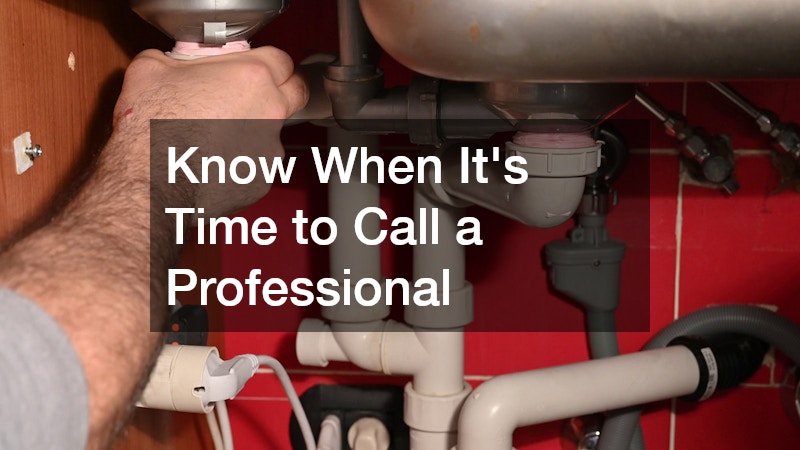
There comes a point when DIY solutions are no longer enough. Recognizing when to call in the experts can prevent serious damage to your home.
Signs that you need professional help include:
- Repeated clogs in the same drain
- Multiple drains backing up simultaneously
- Water backing up into sinks, tubs, or toilets
- Persistent foul odors despite cleaning attempts
- Slow drainage throughout your entire home
In urgent situations—such as sewage backups or overflowing fixtures—you should contact an emergency plumber immediately. These issues can pose health risks and cause significant property damage if not addressed quickly.
Hiring a reputable plumbing company ensures that the problem is handled safely and effectively. Professionals have the tools and experience to resolve even the most stubborn clogs without damaging your pipes.
Understand Advanced Cleaning Methods Professionals Use
When basic methods fail, professionals turn to more advanced techniques to clear your drains. These methods are designed to tackle severe blockages and restore your plumbing system to optimal condition.
One of the most effective solutions is a drain jetting service. This method uses high-pressure water to blast away buildup inside pipes, including grease, sludge, and even tree roots.
Key benefits of this approach include:
- Thorough cleaning of the entire pipe interior
- Removal of stubborn and deep blockages
- Reduced likelihood of future clogs
In more complex cases, sewer and drain cleaning may involve a combination of techniques, such as mechanical augers and video inspections. This ensures that the issue is fully resolved and not just temporarily alleviated.
Understanding these options helps you make informed decisions when discussing solutions with a professional.
Prevent Future Clogs with Smart Habits

Prevention is always better than repair. By adopting a few simple habits, you can significantly reduce the risk of future drain problems.
In the kitchen:
- Avoid pouring grease or oil down the sink
- Use a strainer to catch food particles
- Run hot water after washing dishes
In the bathroom:
- Install hair catchers in showers and sinks
- Avoid flushing anything other than toilet paper
- Clean drains regularly to prevent buildup
Scheduling routine maintenance is another important step. A professional drain cleaning service can help keep your pipes clear and functioning properly.
Regular clogged drain cleaning not only prevents blockages but also extends the lifespan of your plumbing system.
Address Structural Issues That Cause Recurring Problems
If you’re dealing with frequent drain issues, the problem may go beyond simple clogs. Structural issues within your plumbing system can lead to ongoing problems that require more extensive solutions.
Common structural concerns include:
- Cracked or collapsed pipes
- Misaligned pipe connections
- Tree root intrusion
- Corrosion in older plumbing systems
In these cases, basic cleaning won’t solve the problem. Drain repairs are often necessary to restore proper function and prevent further damage.
Professional plumbing services can assess the condition of your pipes and recommend the best course of action. This may involve repairing a section of pipe or replacing it entirely.
Addressing these issues early can save you from more costly and disruptive repairs in the future.
Prepare for Drain Emergencies Before They Happen
Drain emergencies can occur without warning, but being prepared can make a big difference in how you handle them.
Start by creating a simple plan:
- Know where your main water shut-off valve is located
- Keep basic tools like plungers and drain snakes on hand
- Save the contact information of a trusted plumbing company
If a major backup occurs:
- Stop using water immediately
- Turn off the main water supply if necessary
- Avoid contact with contaminated water
In situations involving severe backups or flooding, an emergency plumber should be contacted right away. Quick action can minimize damage and reduce repair costs.
Being prepared ensures that you can respond calmly and effectively when problems arise.
Understand the Costs and What to Expect
The cost of resolving drain issues can vary widely depending on the severity of the problem and the method used to fix it.
Factors that influence pricing include:
- Location and accessibility of the clog
- Type of blockage (grease, roots, debris)
- Tools and techniques required
- Time needed to complete the job
For example, a simple visit from a plumber to clear a minor clog will typically cost less than a more intensive drain jetting service.
When hiring a professional, consider the following:
- Request a detailed estimate before work begins
- Ask about warranties or guarantees
- Compare quotes from multiple providers
While it may be tempting to choose the lowest price, quality and experience are just as important. Investing in the right solution can prevent recurring issues and save money in the long run.
Build a Long-Term Maintenance Plan for Your Home
Maintaining your drains over time is the best way to avoid unexpected problems. A proactive approach keeps your plumbing system in good condition and reduces the likelihood of costly repairs.
Create a maintenance routine that includes:
- Regular inspections of visible plumbing
- Periodic cleaning of drains
- Monitoring for early warning signs
Professional drain services can be scheduled annually or as needed to keep your system running smoothly.
If issues arise, addressing them promptly with proper drain repairs ensures that small problems don’t turn into major ones.
Consistency is key. By staying on top of maintenance, you can enjoy a reliable and efficient plumbing system for years to come.
Dealing with drain issues can be a source of major frustration for many homeowners, often leading to concerns about potential water damage or costly repairs. However, by utilizing a thoughtful and informed approach, these issues don’t have to spiral out of control or become overwhelming. It is crucial to begin by recognizing the early warning signs of drainage problems, which may include slow-draining water, unpleasant odors, or unusual gurgling sounds emanating from the pipes. Understanding the root causes, such as the accumulation of hair and debris, food remnants in kitchen sinks, or even tree roots invading your home’s plumbing system, is essential. By taking proactive and preventive steps, you can help ensure your plumbing system remains in optimal working order, thereby minimizing disruptions to your daily life.
Whether you’re tackling minor clogs on your own with home remedies like baking soda and vinegar or enlisting professional help for more complex blockages, the critical factor is to address the problem swiftly. Making informed decisions about maintenance and repair is essential. With a comprehensive plan and adherence to good upkeep habits, such as regularly cleaning drain stoppers, avoiding disposing of grease down the sink, and occasionally flushing pipes with hot water, you can effectively prevent most drainage issues. By doing so, you are not only safeguarding your plumbing system but also protecting your home from unnecessary damage that could stem from neglecting drain maintenance.