Protecting Your Attic From Costly Pest Infestations
The attic is arguably the most vulnerable part of any residential structure. It sits high above the daily activity of the household, often forgotten and rarely visited, making it the perfect sanctuary for a wide variety of unwanted guests. From the smallest insects to larger mammals, the quiet, dark, and warm environment of an upper crawlspace offers everything a pest needs to thrive. However, what begins as a simple nesting site can rapidly evolve into a catastrophic financial burden for the homeowner. Understanding the risks associated with these infestations and taking proactive measures is essential for maintaining the health and value of your property.
Pest problems in the attic go far beyond simple noise complaints. When animals or insects take up residence, they begin a process of degradation that affects the air quality, structural stability, and energy efficiency of the home. Droppings, nesting materials, and chewed wires are just the beginning of a long list of damages that can occur. By the time a homeowner notices a strange smell or a flickering light, the cost of remediation can already be in the thousands.
Fortifying the Exterior Envelope
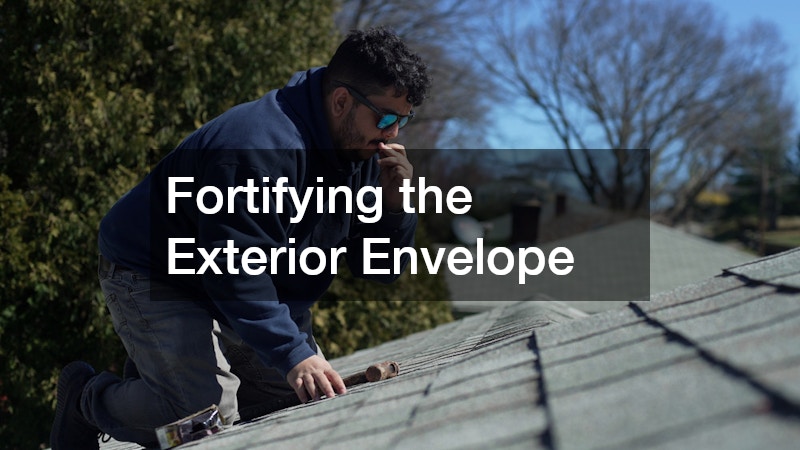
Preventing an infestation always starts with a thorough examination of the exterior of the house. Pests are opportunistic; they do not need a wide-open door to enter. A hole the size of a quarter is enough for a young rat, and even smaller gaps can allow bats or stinging insects to establish a colony. You must walk the perimeter of your home and look upward, searching for gaps where the roof meets the walls, loose soffits, or cracks in the chimney masonry. These entry points are the primary highways for intruders.
If you identify significant gaps or damaged shingles during your inspection, it is imperative to contact professional roofing contractors immediately. These experts have the tools and safety equipment necessary to work at heights and can perform structural repairs that go beyond simple patching. By ensuring that every junction of the roof is tight and every vent is screened with heavy-duty mesh, you effectively shut the door on the majority of wildlife that would otherwise view your home as a viable shelter.
Furthermore, the long-term health of your roof plays a direct role in its ability to resist animal entry. Aging materials become brittle, making it easier for determined raccoons or squirrels to tear through wood and asphalt. Engaging reputable roofing companies for a full-scale assessment can reveal hidden soft spots where moisture has weakened the decking. A strong, modern roof is your first and most important line of defense, creating a physical barrier that most pests simply cannot penetrate without significant effort.
Managing Subterranean and Wood-Boring Threats
While we often think of attic pests as flying or climbing creatures, some of the most destructive threats come from below. Termites and carpenter ants are notorious for traveling through the internal wall voids of a house until they reach the wooden supports of the attic. Once they arrive, they can begin hollowing out rafters and joists, often without leaving any visible signs on the surface until the damage is severe enough to cause sagging or structural failure.
To prevent this hidden destruction, it is wise to schedule a comprehensive inspection with a licensed termite company at least once a year. These professionals use specialized technology to detect moisture and heat signatures that indicate an active colony inside the wood. Because termites can consume significant amounts of cellulose in a short period, catching them before they reach the attic is vital for the longevity of your home. They can also apply liquid barriers or baiting systems that stop the insects in their tracks before they ever cross the threshold of your foundation.
In addition to specialized wood-boring insect checks, a more general approach to environmental control is necessary. A local pest control company can provide a broader shield for your home, addressing spiders, cockroaches, and silverfish that might not destroy the wood but certainly contaminate the space. These technicians can treat the attic with desiccants or botanical dusts that make the environment inhospitable for bugs, ensuring that your storage areas remain clean and your insulation remains free of insect debris.
Modernizing Attic Insulation
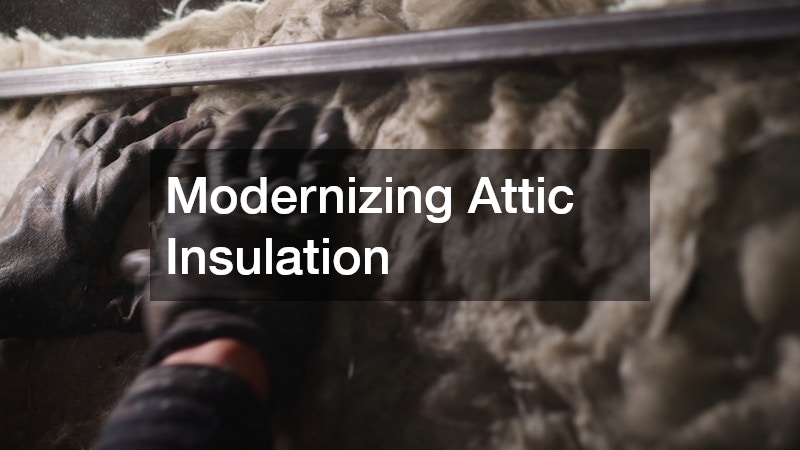
The type of insulation you have in your attic significantly influences how attractive the space is to rodents. Traditional fiberglass batts or loose-fill cellulose are often seen as ideal nesting materials. They are soft, easy to burrow through, and provide excellent warmth for raising litters of pups. When animals live in this type of insulation, they compress it, reducing its R-value and leaving behind urine and feces that can pose serious health risks to the residents below as the HVAC system pulls air through the house.
Upgrading your home with the help of spray foam insulation contractors is one of the most effective ways to deter pests permanently. Unlike fiberglass, closed-cell spray foam hardens into a rigid plastic-like substance that is extremely difficult for mice or rats to chew through. Because it expands to fill every tiny crack and crevice, it also eliminates the air leaks that carry the scent of a warm home to the outside world. This double-layered protection both hides your home from the animal’s senses and provides a physical deterrent that they cannot easily overcome.
Consider the following benefits of a modernized attic insulation setup:
- Improved structural rigidity through the use of hardened foam.
- Elimination of the soft nesting environments favored by rodents and birds.
- Reduced humidity levels, which prevents the growth of mold and the attraction of moisture-loving insects.
- Enhanced energy efficiency that offsets the initial cost of the upgrade over time.
Active Removal and Decontamination
If you already suspect that animals have breached your defenses, the strategy must shift from prevention to active intervention. Signs of an active infestation include scratching sounds at night, chewed wires, or a distinct ammonia-like smell. It is a mistake to simply block the holes if animals are already inside, as this often leads to them chewing even more aggressively to escape or, worse, dying inside the walls. This creates a secondary problem of odor and flies that can persist for months.
Engaging professional rodent removal services is the only way to handle this situation safely and humanely. These experts use a multi-step process that involves trapping the residents, identifying all entry points, and then performing a full exclusion. This ensures that no animals are trapped inside to suffer and that the attic is truly vacant before the final seals are applied. Furthermore, they are trained to handle biohazardous waste, which is essential when cleaning up the mess left behind by a long-term colony.
After the animals are gone, the attic must be decontaminated. This involves:
- Removing all soiled insulation that has been saturated with waste.
- Applying antimicrobial fogging to kill bacteria and viruses associated with wildlife.
- Neutralizing pheromones that tell other animals that your attic is a safe place to live.
- Vacuuming out any debris or food caches hidden in the corners of the rafters.
The Role of Climate Controlled Storage

Many people use their attic as a primary storage area for items that are sensitive to the environment, such as clothing, books, and vintage furniture. Unfortunately, these items are exactly what pests are looking for to build their nests. Cardboard boxes are a particular favorite for silverfish and mice, providing both food and shelter. If your attic is currently a cluttered warehouse of cardboard and fabric, you are essentially inviting an infestation to take root in your personal belongings.
For items that hold high sentimental or financial value, it is much safer to utilize an air conditioned storage unit. By moving these sensitive materials out of the attic and into a facility with strict pest control protocols and climate regulation, you remove the primary incentive for pests to stay in your home. This also opens up the attic floor, making it significantly easier for you to perform regular inspections and spot any new signs of entry before they become major problems.
If you find that your home is simply overflowing with things you cannot bear to part with but do not use daily, a professional self storage facility is a viable extension of your home. These locations are designed to be impenetrable to the common household pests that plague residential attics. Utilizing off-site storage for your seasonal items or excess furniture allows you to keep your attic lean and clean, which is the most effective way to ensure it remains a boring and unattractive place for a wandering squirrel or rat to explore.
Simplifying the Transition
The physical act of clearing out an attic to prepare for a renovation or a deep clean is a daunting task. The heat, the cramped quarters, and the heavy lifting required can lead to accidents or property damage. If you have decided to move your items to a storage unit or even just down to the garage for a few weeks while you seal the space, do not try to do it all yourself. The logistics of moving dozens of bins down a pull-down ladder are precarious at best.
Calling a local mover to assist with the heavy lifting can turn a three-day ordeal into a three-hour job. Professional movers have the experience to navigate tight hallways and stairs without scuffing walls or dropping fragile bins. They can also help organize your items into a more efficient layout once they are moved, ensuring that the items you need most are the most accessible. This professional assistance allows you to focus your energy on the actual inspection and sealing of the attic floor and roofline.
For those who keep more substantial items in their homes, such as a heavy fireproof box or a small collection of valuable equipment, specialized safe moving companies should be consulted. These items require specific dollies and techniques to move safely, especially if they are located on an upper floor. Ensuring that these heavy objects are handled by experts prevents floor damage and personal injury, allowing the pest-proofing process to proceed smoothly and without the added stress of physical mishaps.
Creating a Maintenance Schedule

Once the attic is sealed and the items are organized, the work is not truly finished. Maintaining a pest-free attic is a continuous process of observation and minor adjustments. Every season brings different threats. In the winter, animals seek warmth; in the spring, they seek nesting sites; in the summer, they seek shade. By keeping a regular schedule, you can catch the first sign of a loose screen or a new chew mark before it turns into a full-scale invasion by your local fauna.
A quarterly checklist for attic health should include:
- Checking for light leaks through the roof decking during a sunny day.
- Inspect all vent screens for holes or signs of prying.
- Looking for new droppings or urine stains on the insulation or floorboards.
- Ensuring that tree branches are trimmed at least six feet away from the roofline to prevent easy jumping paths.
- Checking for signs of water intrusion that could soften the wood and invite pests.
By treating your attic as a vital organ of your home rather than a forgotten closet, you protect your biggest investment from the quiet but devastating impact of nature. The combination of structural integrity, modern materials, and professional oversight creates a home environment that is safe, efficient, and entirely your own. Preventing costly infestations is a journey that pays dividends in peace of mind and financial security for as long as you own your home.
The battle against attic pests is won through a combination of vigilance and professional expertise. While the initial investment in repairs or upgraded insulation may seem significant, it pales in comparison to the potential costs of structural restoration and decontamination. By securing the exterior, optimizing the interior environment, and utilizing professional services for removal and relocation, you ensure that your attic remains a clean and functional part of your residence. A proactive approach today is the best insurance against the unexpected visitors of tomorrow.