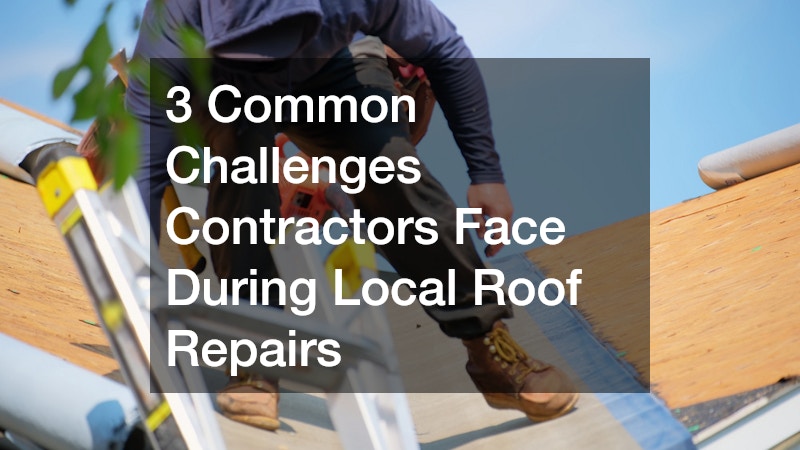
3 Common Challenges Contractors Face During Local Roof Repairs
Roof repairs can present contractors with a wide range of challenges, from difficult working conditions to unexpected structural problems. While some projects are relatively straightforward, others require careful planning, specialized equipment, and adaptable techniques. Understanding these common obstacles can help property owners appreciate the work involved in completing effective and safe repairs.
1. Working on Difficult Roofs
One of the biggest challenges contractors may encounter during local roof repairs is working on roofs with steep slopes or complicated designs. A sharply pitched roof can make it difficult for workers to maintain stable footing while carrying tools, materials, and equipment.
The increased risk of slipping or falling also means contractors must take additional precautions before and during the repair process.
Roof height and accessibility can create additional complications. Some structures may have multiple roof levels, limited access points, or sections that are difficult to reach with standard ladders. Contractors may need to use specialized safety equipment, roof brackets, harnesses, or other systems to establish secure working conditions. Moving roofing materials to elevated work areas can also require additional time and planning.
Weather can make these conditions even more challenging. Rain, snow, ice, strong winds, and extreme temperatures can affect traction and make elevated work more hazardous. Contractors may need to delay certain repairs until conditions improve, particularly when completing work on a steep or otherwise difficult-to-access roof. Even mild weather changes can affect how safely workers can move across a roof.
2. Discovering Hidden Damage
Another common challenge is identifying damage that extends beyond the visible problem. A homeowner may notice a missing shingle, water stain, or small leak, but the underlying issue could involve damaged decking, deteriorated flashing, or moisture that has penetrated beneath the roofing materials. Determining the full extent of the damage often requires a careful inspection.
Water intrusion can be especially difficult to trace because the location where moisture becomes visible inside a building may not be directly beneath the point where water entered the roof. Contractors must examine surrounding materials and consider how water could have traveled through the roofing system before reaching the interior. Moisture that remains undetected can also contribute to deterioration of wood and other structural components.
Once hidden damage is discovered, the scope of a repair may need to change. Additional damaged materials may have to be removed and replaced before the original problem can be properly addressed. This can affect the project’s timeline, material requirements, and overall cost, making communication between contractors and property owners particularly important. Addressing these problems during the initial repair can also help prevent a relatively small roofing issue from developing into a more extensive concern.
3. Matching Materials and Existing Roofing
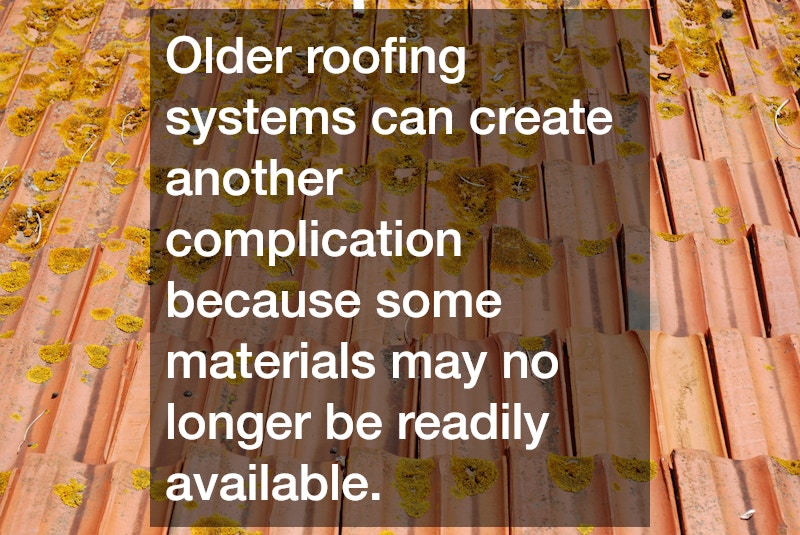
Finding appropriate replacement materials can also present a challenge during local roof repairs, especially when contractors are working on older roofing systems. Shingles, tiles, metal panels, and other roofing products can change in appearance over time because of weather exposure, sunlight, and normal aging. Even when replacement materials are technically compatible, they may not perfectly match the existing roof.
Older roofing systems can create another complication because some materials may no longer be readily available. Contractors may need to locate comparable products or determine whether a different material can be integrated without compromising the roof’s performance or appearance. This requires careful consideration of factors such as dimensions, profiles, attachment methods, and weather resistance.
Proper material selection is important because a repair should function as part of the larger roofing system rather than simply cover a damaged area. Contractors must consider how new materials will interact with existing components, including flashing, underlayment, ventilation features, and surrounding roofing materials. Careful installation can help create a durable repair while minimizing the visual difference between new and existing sections.
Material availability can also influence how quickly a repair can be completed. If a particular product must be ordered or sourced from another supplier, contractors may have to schedule work around delivery times. Selecting suitable materials in advance can help reduce unnecessary delays and ensure the finished repair integrates properly with the rest of the roof.
Roof repair projects can involve more complexity than a problem on the surface might suggest. Steep or difficult-to-access roofs, concealed damage, and challenges involving replacement materials can all require contractors to adjust their approach. By recognizing these potential obstacles, property owners can better understand why thorough inspections, proper safety measures, and careful workmanship are essential for successful local roof repairs.